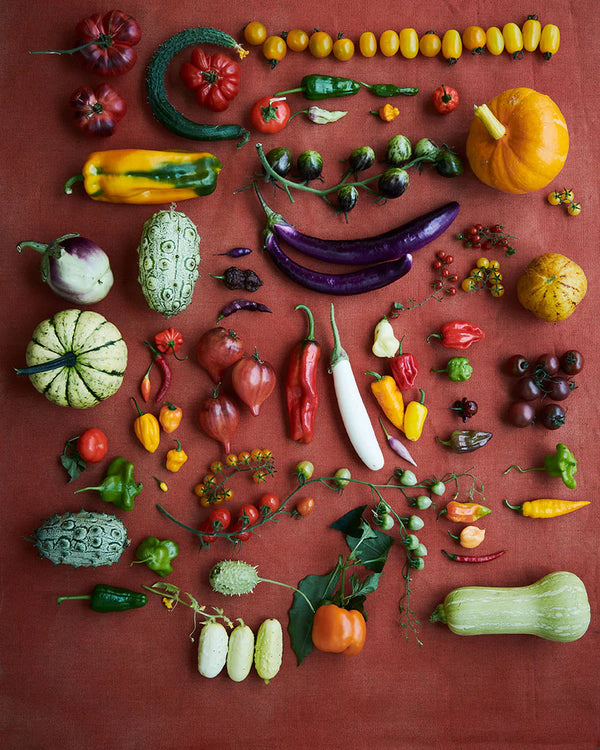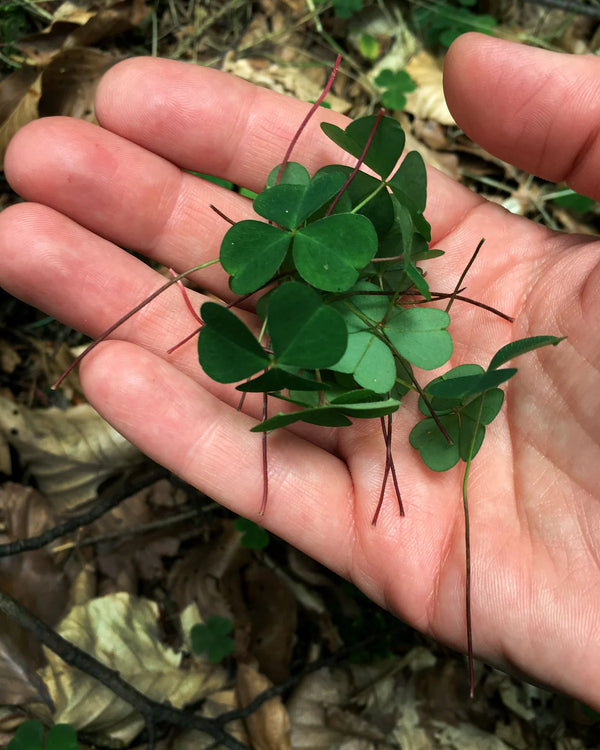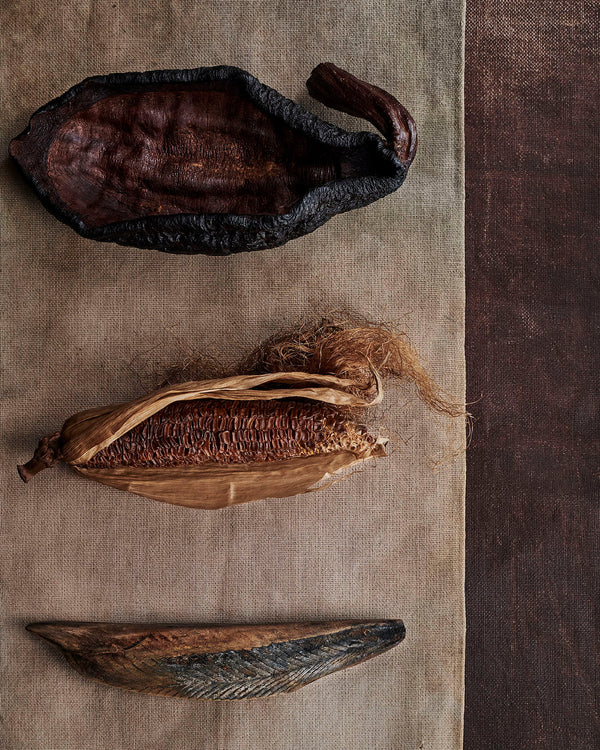




The Campesino is part of a complex natural and cultural system, in which the entire landscape is relevant to their life, and to the life of the system itself. The Campesino grows coffee under the shade of trees that are also food, for them and for their family. In that same parcel, medicinal herbs scatter the earth, providing ample habitat for the insect populations that in turn feed their chickens. Besides coffee, there is also corn for the daily tortillas. Importantly, not everything is planted: usually there are areas of forest left undisturbed, following a philosophy of minimal intervention that seeks to secure the long-term health of the landscape and by extension the Campesino himself. There are few communities in the world that embody this philosophy more than the people of Tenejapa.
High in the Tzeltal highlands of Chiapas, Tenejapa has an unusual, subtropical climate. Here, temperatures hover between 15°C and 20°C. A crisp dry season gives way to long, misty months, when afternoon showers keep soils moist and canopies lush. This cool climate yields coffees with a sparkling acidity and elegant floral aroma. It was this unique sense of terroir that drew us to Chiapas in the first place.
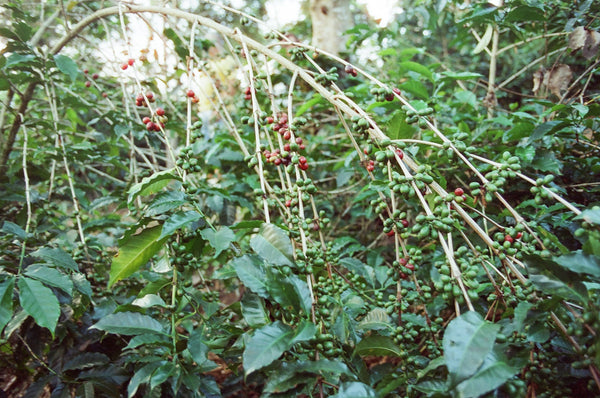
Our relationship with these coffees continues to grow: from the 2025 harvest we have secured ten outstanding micro-lots from the Beneficio Comunitario Sibactel. Here, coffee is grown using indigenous farming practices. Through the lens of the Tzeltal, the forest is regarded as a community; and its trees as individuals. A deep intuition borne from family wisdom guides the coffee farmers here, as the crop is allowed to grow wild, in the company of many other species of plant-life.

The coffee parcels of the Tseltal resemble dense forests as coffee grows in the company of many other plants.

Javier López Méndez
The responsibility for coordinating these tiny parcels lies squarely on the shoulders of one man: Javier. A Tzeltal-speaker, he coordinates Caféología’s Beneficio Comunitario Sibactel like someone translating two worlds. During harvest, he receives home-washed, home-dried parchment coffee from family patios and shapes it into consistent lots. At the mill, he checks moisture and water activity, removes defects, and logs the person who picked the cherries. On weekdays, he goes house to house to fine-tune washing routines and drying practices – never imposing, always listening before recommending.
His leadership is practical and hands-on: he organizes shifts, answers questions, convenes meetings, and lends a voice to what began on a family patio. Under his guidance, Sibactel works as a shared quality checkpoint: every sack leaves with clear traceability; the human presence intact. At just 22 years-old, Javier shows that excellence and youth can go hand in hand – an example of rigor, community, and the confidence that washed coffee is learned ear to the ground, person-to-person.